
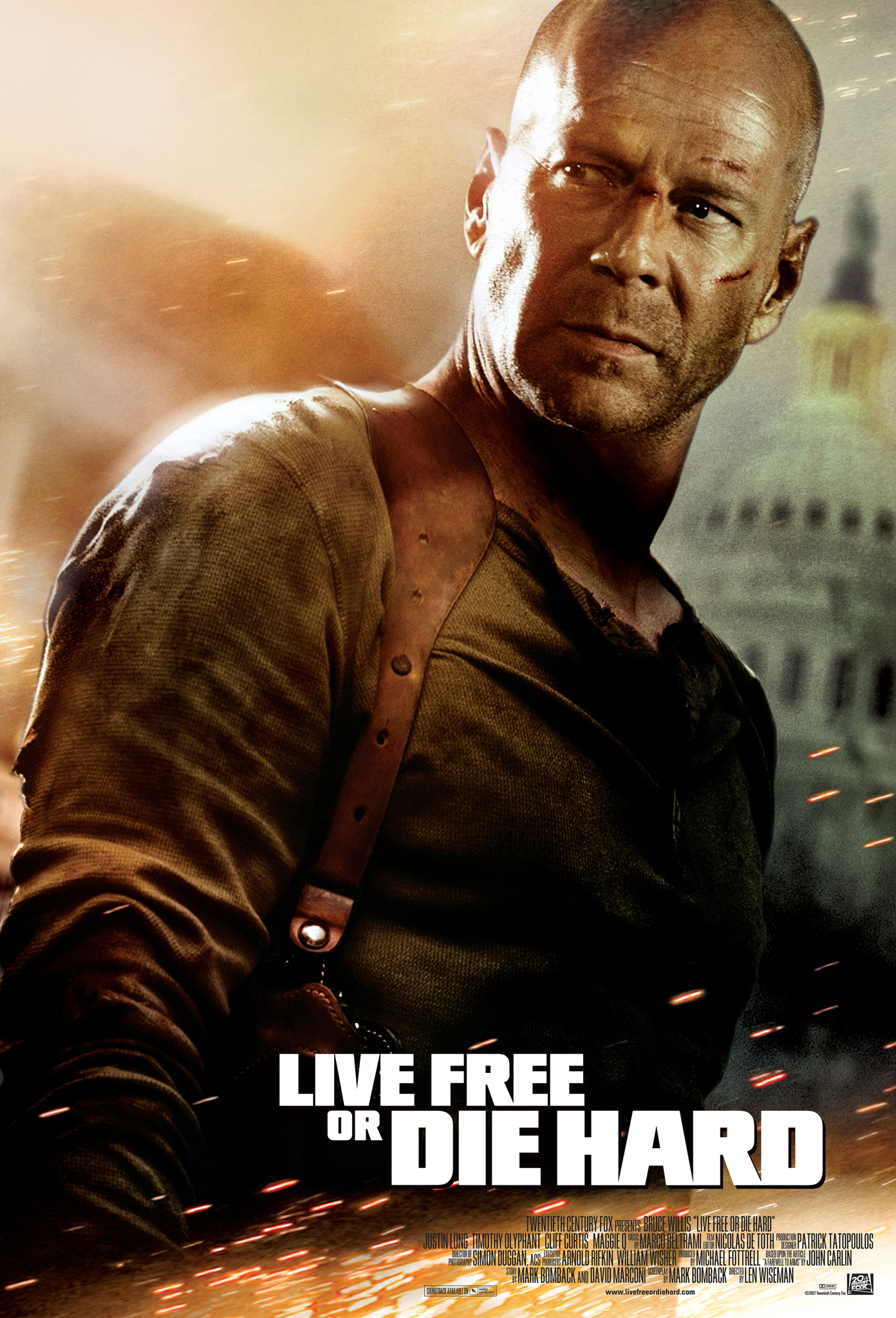
"Live Free or Die Hard," released in 2007, stands as the fourth installment in the iconic "Die Hard" series. Directed by Len Wiseman, the film stars Bruce Willis reprising his role as NYPD Detective John McClane, who confronts a cyber-terrorist plot threatening the nation's infrastructure. This article delves into the film's plot, production, reception, and its enduring impact on the action genre.
Plot Overview
The narrative centers on John McClane, who is tasked with escorting hacker Matthew Farrell (Justin Long) to the FBI for questioning. Their journey is abruptly interrupted when cyber-terrorist Thomas Gabriel (Timothy Olyphant) initiates a "fire sale"—a coordinated cyber attack targeting the United States' infrastructure. As McClane and Farrell navigate a series of perilous situations, they uncover Gabriel's plan to cripple the nation through cyber warfare. The film skillfully blends traditional action sequences with contemporary cyber-terrorism themes, reflecting the growing concerns of the digital age.

Production Insights
"Live Free or Die Hard" was adapted from John Carlin's 1997 Wired magazine article, "A Farewell to Arms," which explored the vulnerabilities of the U.S. infrastructure to cyber attacks. The screenplay underwent several revisions, with contributions from David Marconi, Doug Richardson, and Mark Bomback. The film's title pays homage to New Hampshire's state motto, "Live Free or Die," symbolizing the protagonist's resilience and determination.
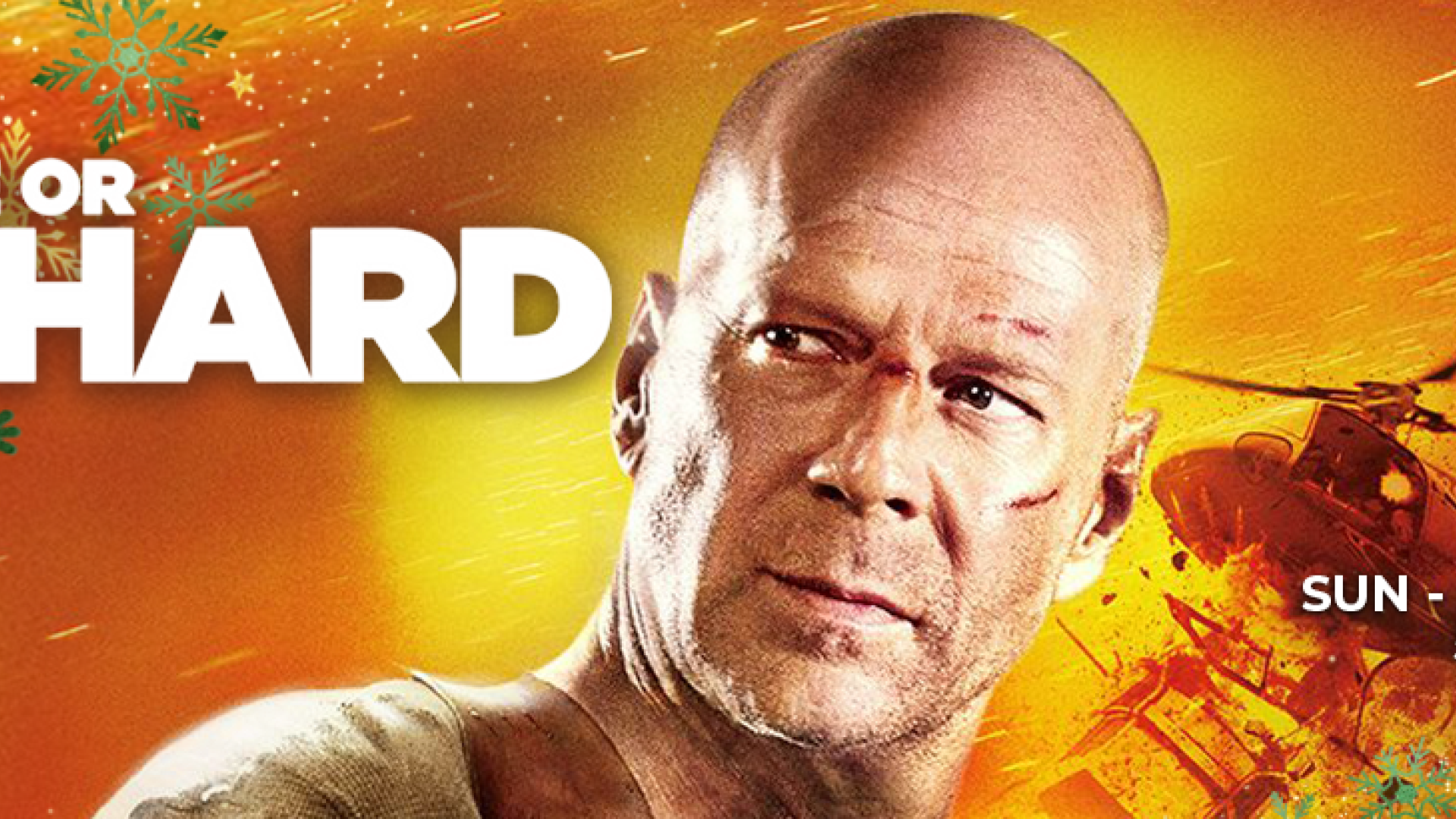
In terms of production, the film employed a combination of practical effects and CGI to create its high-octane action sequences. For instance, the scene where McClane destroys a helicopter by ramming it with a car was achieved using practical effects, with CGI enhancing the final result. This approach aimed to deliver a more authentic and visceral experience for the audience.
Critical Reception
Upon its release, "Live Free or Die Hard" received positive reviews from critics and audiences alike. On Rotten Tomatoes, the film holds an approval rating of 82% based on 209 reviews, with the consensus stating, "Live Free or Die Hard may be preposterous, but it's an efficient, action-packed summer popcorn flick with thrilling stunts and a commanding performance by Bruce Willis." Metacritic assigns the film a score of 69 out of 100, indicating generally favorable reviews. Audiences polled by CinemaScore gave it an average grade of "A−" on an A+ to F scale.
Critics praised Bruce Willis's performance, noting his ability to bring depth to the character of John McClane. The film's action sequences were also highlighted for their intensity and creativity, contributing to its status as a standout in the action genre.
Impact and Legacy
"Live Free or Die Hard" revitalized the "Die Hard" franchise, introducing it to a new generation of viewers and reaffirming its place in cinematic history. The film's exploration of cyber-terrorism resonated with contemporary audiences, reflecting real-world concerns about digital security. Its success led to the production of a fifth installment, "A Good Day to Die Hard," released in 2013.
The film's influence extends beyond cinema, inspiring discussions about the portrayal of cyber threats in media and their implications for public awareness. It also sparked debates about the evolution of action films in the digital age, blending traditional stunts with modern technological themes.
Conclusion
"Live Free or Die Hard" stands as a testament to the enduring appeal of the "Die Hard" series, successfully merging classic action elements with contemporary issues. Its critical acclaim and box office success underscore its significance in the action genre. For both fans of the franchise and newcomers, the film offers a compelling narrative and exhilarating action sequences that continue to captivate audiences worldwide.