
"Terminator 2: Judgment Day," directed by James Cameron and released in 1991, stands as a monumental achievement in the realms of science fiction and action cinema. This sequel to the 1984 classic "The Terminator" not only expanded upon its predecessor's narrative but also set new standards in visual effects, storytelling, and character development.

Plot Overview
The film is set in a dystopian future where an artificial intelligence system named Skynet has initiated a nuclear apocalypse, leading to a war between machines and the remnants of humanity. To secure its dominance, Skynet sends a highly advanced Terminator, the T-1000 (Robert Patrick), back to 1995 to eliminate John Connor (Edward Furlong), the future leader of the human resistance. In a twist from the original film, the human resistance reprograms a previous model, the T-800 (Arnold Schwarzenegger), and sends it back to protect young John. The narrative unfolds as a high-stakes chase, with the relentless T-1000 pursuing John and his protector, leading to a climactic confrontation that questions the nature of humanity and machine.
Character Development and Themes
One of the film's most compelling aspects is the evolution of its central characters. Sarah Connor (Linda Hamilton) transforms from a vulnerable waitress in the first film to a hardened warrior, prepared to do whatever it takes to protect her son. Her portrayal challenges traditional gender roles, presenting a strong female protagonist in a genre dominated by male heroes. John Connor, on the cusp of adolescence, grapples with his extraordinary destiny while seeking a father figure, which he unexpectedly finds in the T-800.
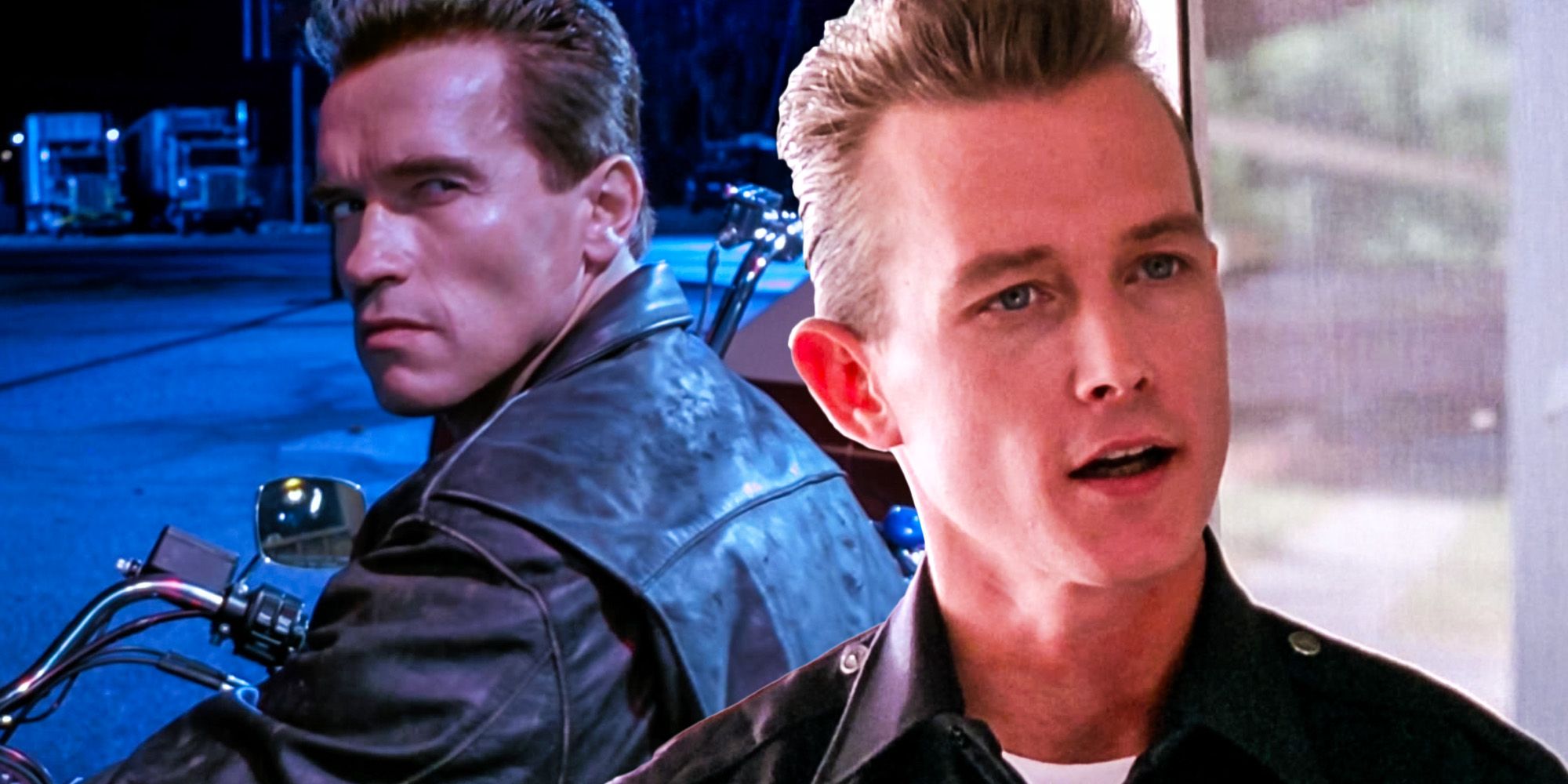
The relationship between John and the T-800 serves as the emotional core of the film, exploring themes of fate, free will, and the potential for redemption. The T-800's journey from an emotionless machine to a figure capable of understanding human emotions underscores the film's message that the future is not set, and even the most unlikely beings can change.
Visual Effects and Cinematic Innovations
"Terminator 2" is renowned for its groundbreaking visual effects, particularly the use of computer-generated imagery (CGI) to bring the T-1000 to life. The liquid metal effects were revolutionary at the time, setting a new benchmark for the industry. The film's action sequences, including the iconic freeway chase and the final showdown in a steel mill, are meticulously crafted, combining practical effects with CGI to create a seamless and thrilling experience.

Cultural Impact and Legacy
Upon its release, "Terminator 2" received critical acclaim and achieved significant commercial success, grossing over $500 million worldwide. It won four Academy Awards, including Best Visual Effects and Best Sound Editing, cementing its status as a technical and artistic triumph.
The film's influence extends beyond its immediate success. It has been referenced and parodied in various media, and its catchphrases, such as "Hasta la vista, baby," have entered popular culture. The character of Sarah Connor has become emblematic of strong female protagonists in action films, inspiring a generation of filmmakers and audiences.
Conclusion
"Terminator 2: Judgment Day" is more than just a sequel; it is a landmark in cinematic history that combines compelling storytelling, complex character development, and pioneering visual effects. Its exploration of profound themes and its cultural impact continue to resonate, solidifying its place as a timeless classic in the science fiction genre.