
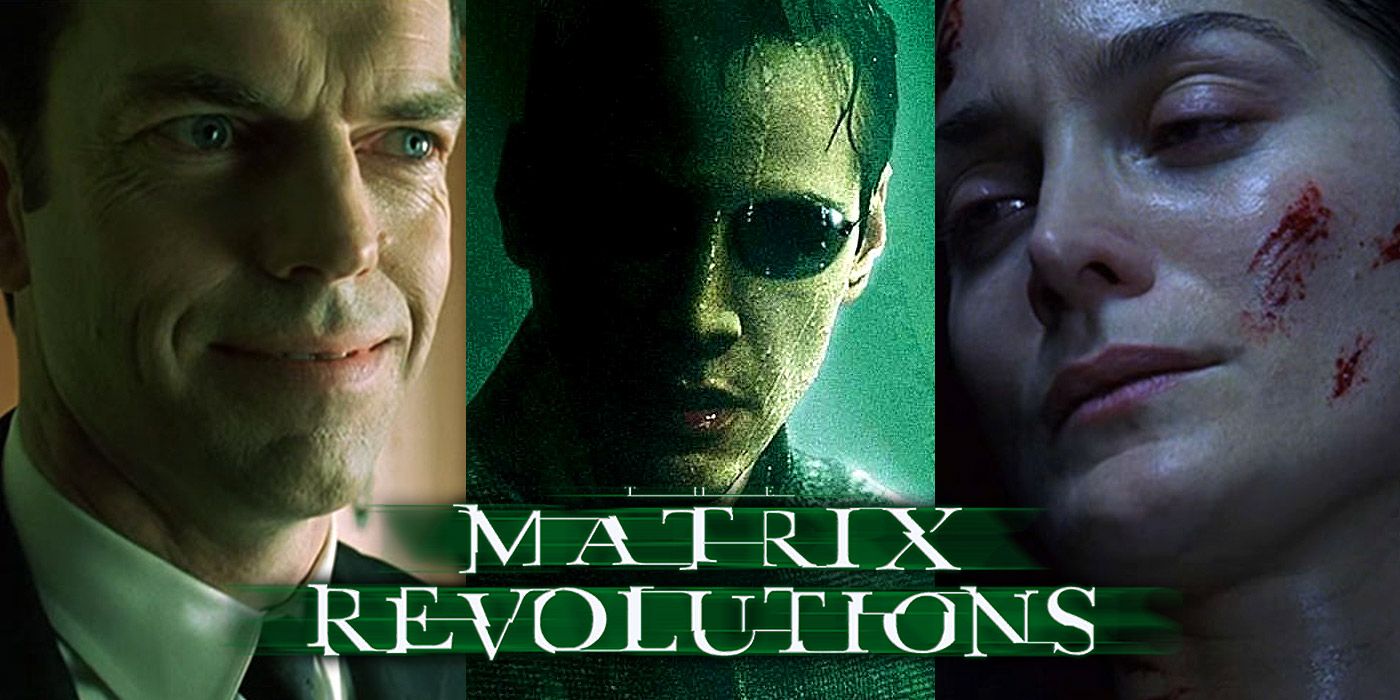
Released in 2003, "The Matrix Revolutions" is the third installment in the groundbreaking science fiction trilogy created by the Wachowskis. This film continues the saga of Neo (Keanu Reeves), Trinity (Carrie-Anne Moss), and Morpheus (Laurence Fishburne) as they confront the escalating war between humans and machines.
Plot Overview
The narrative picks up with Neo trapped in a limbo-like train station, unable to return to the real world. Meanwhile, the human city of Zion faces a massive invasion by the machines. As the battle intensifies, Neo must confront Agent Smith (Hugo Weaving), who has become a formidable threat to both humans and machines.

Critical Reception
Upon its release, "The Matrix Revolutions" received mixed reviews. Critics praised its visual effects and action sequences but criticized its complex narrative and philosophical themes. On Rotten Tomatoes, the film holds a 33% approval rating from critics and a 60% audience score, indicating a divided reception.
Cultural Impact
Despite the mixed reviews, "The Matrix Revolutions" has left a lasting impact on popular culture. Its exploration of reality, identity, and technology continues to resonate with audiences and scholars alike.
Conclusion
"The Matrix Revolutions" serves as a thought-provoking conclusion to the original trilogy, blending action with deep philosophical questions. Its legacy endures, influencing discussions on artificial intelligence, virtual reality, and the nature of human existence.