
"Clash of the Titans" is a title that has resonated with audiences for decades, spanning multiple generations and mediums. From its origins in Greek mythology to its adaptations in film, the story has captivated imaginations worldwide. This article delves into the evolution of "Clash of the Titans," exploring its mythological roots, cinematic adaptations, critical receptions, and enduring legacy.
1. The Mythological Origins
At the heart of "Clash of the Titans" lies the rich tapestry of Greek mythology. The term "Titan" refers to the primordial beings who predate the gods of Mount Olympus. The most famous Titan, Cronus, fathered Zeus, Poseidon, and Hades, who would later overthrow him and the other Titans. The mythological narratives surrounding these deities, their conflicts, and their interactions with mortals have been a source of inspiration for countless stories, including the "Clash of the Titans" saga.
2. The 1981 Film: A Classic Reimagined
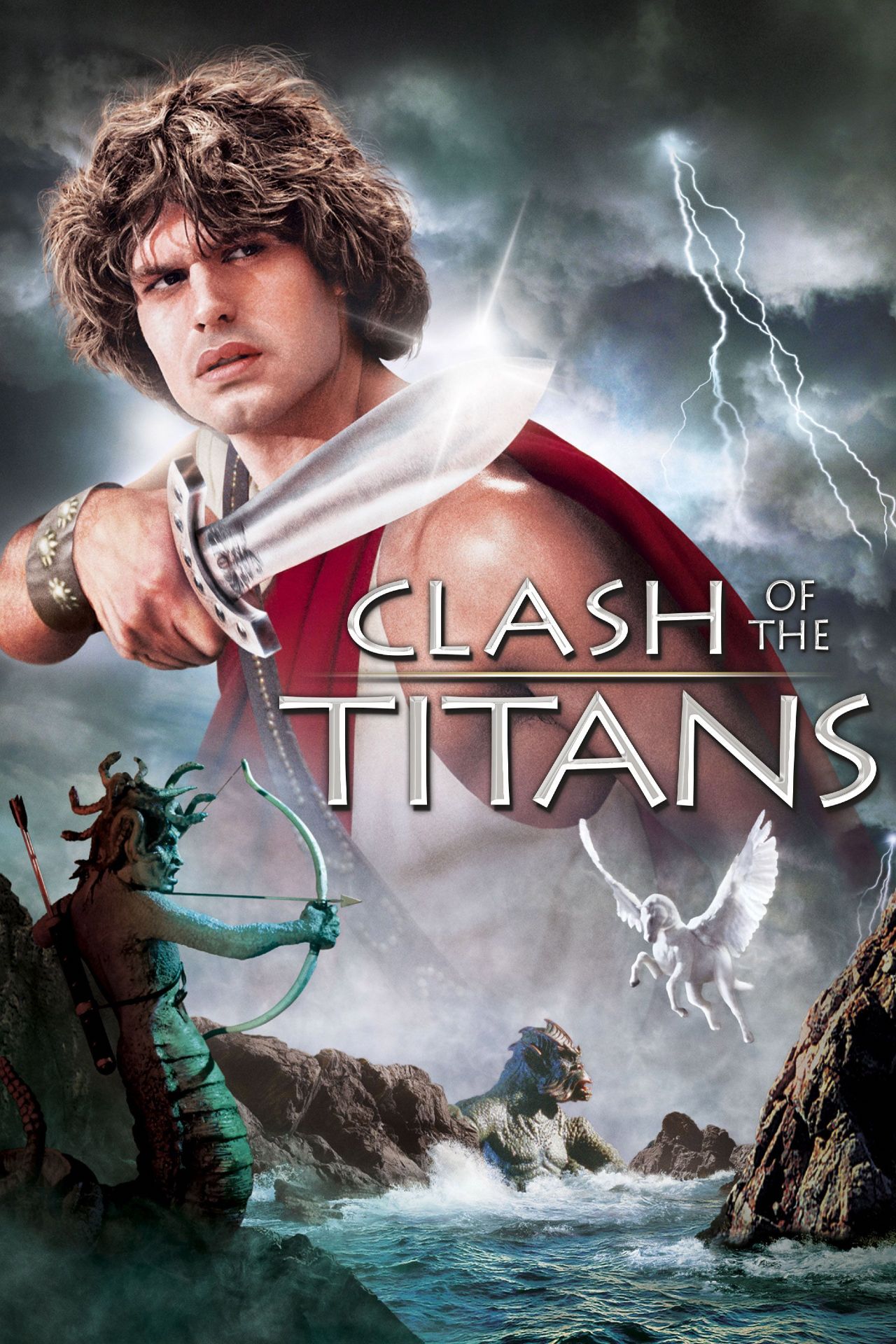
In 1981, director Desmond Davis brought the myth to life with the film "Clash of the Titans." Starring Harry Hamlin as Perseus, the film follows the hero's journey as he battles formidable foes like Medusa and the Kraken to save Princess Andromeda. The film is renowned for its groundbreaking special effects, particularly the stop-motion animation by the legendary Ray Harryhausen. Despite its technical achievements, the film received mixed reviews, with critics praising its imaginative storytelling but critiquing its pacing and character development.

3. The 2010 Remake: A Modern Interpretation
Fast forward to 2010, and director Louis Leterrier reimagined the classic tale for a new generation. Starring Sam Worthington as Perseus, the film introduces a darker, more intense narrative. The story follows Perseus as he embarks on a perilous journey to defeat the monstrous Kraken and save the city of Argos. The film's visual effects, including the depiction of the Kraken, were lauded for their scale and realism. However, the film received mixed reviews, with critics praising its visual effects but critiquing its screenplay and character development.
4. Critical Reception and Legacy
Both films have left a lasting impact on audiences and critics alike. The 1981 film is often celebrated for its nostalgic value and pioneering special effects, while the 2010 remake is noted for its modern visuals and action sequences. The phrase "Release the Kraken!" from the 2010 film has even become an internet meme, highlighting the film's cultural impact.
5. The Enduring Appeal
The enduring appeal of "Clash of the Titans" lies in its timeless themes of heroism, adventure, and the battle between good and evil. The story's roots in Greek mythology provide a rich backdrop for exploring complex characters and epic narratives. Whether through the lens of classic cinema or modern filmmaking, "Clash of the Titans" continues to captivate audiences, proving the timeless nature of its mythological origins.
Conclusion
"Clash of the Titans" stands as a testament to the enduring power of mythology and storytelling. From its ancient Greek origins to its modern cinematic interpretations, the tale continues to inspire and entertain. Its themes of heroism, adventure, and the eternal struggle between good and evil resonate across generations, ensuring its place in the annals of storytelling history.