
Released in 2012, "The Avengers" marked a pivotal moment in cinematic history, bringing together iconic superheroes from the Marvel Comics universe into a single, cohesive narrative. Directed by Joss Whedon, the film not only achieved critical acclaim but also set new standards for ensemble storytelling in cinema. This article delves into the origins, production, impact, and legacy of "The Avengers," offering a comprehensive analysis suitable for a Grade 9 student.
The Genesis of 'The Avengers'
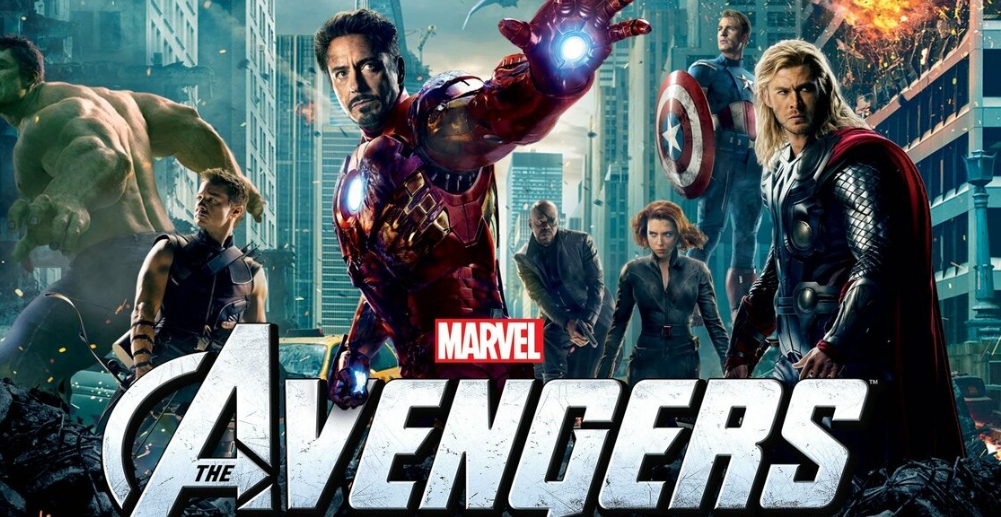
The concept of "The Avengers" was conceived as part of Marvel Studios' ambitious plan to create an interconnected cinematic universe. Beginning with "Iron Man" in 2008, Marvel introduced individual characters whose storylines would eventually converge. This strategy culminated in "The Avengers," where Iron Man, Captain America, Thor, Hulk, Black Widow, and Hawkeye unite to face a common threat.
Casting and Character Dynamics
The film's success hinged on its ensemble cast, each actor bringing depth to their respective characters:
Robert Downey Jr. as Tony Stark/Iron Man: Downey's charismatic portrayal of the genius billionaire inventor set the tone for the film's blend of humor and action.
Chris Evans as Steve Rogers/Captain America: Evans embodied the moral compass of the team, providing a contrast to Stark's flamboyance.
Chris Hemsworth as Thor: Hemsworth's performance as the Norse god added a mythological dimension to the ensemble.
Mark Ruffalo as Bruce Banner/Hulk: Ruffalo's nuanced portrayal of the conflicted scientist brought depth to the character.
Scarlett Johansson as Natasha Romanoff/Black Widow: Johansson's Black Widow was a skilled and enigmatic operative, adding a layer of intrigue to the team.
Jeremy Renner as Clint Barton/Hawkeye: Renner's Hawkeye provided the team with unparalleled archery skills and a grounded perspective.

Plot Overview
The narrative centers on Nick Fury, director of S.H.I.E.L.D., who assembles the Avengers to counter the threat posed by Loki, Thor's adoptive brother. Loki seeks to subjugate Earth using the Chitauri, an alien army. The film explores themes of teamwork, sacrifice, and the balance between individualism and collective responsibility.
Production and Visual Effects
"The Avengers" set new benchmarks in visual effects, particularly in its depiction of the Hulk and the climactic battle scenes. The film's production design meticulously recreated iconic locations, such as the S.H.I.E.L.D. helicarrier, contributing to its immersive experience.
Critical Reception and Box Office Success
Upon release, "The Avengers" received widespread acclaim for its direction, performances, and visual effects. It holds an IMDb rating of 8.0/10, reflecting its positive reception. The film grossed over $1.5 billion worldwide, solidifying its status as a box office phenomenon.
Cultural Impact and Legacy
Beyond its commercial success, "The Avengers" had a profound impact on popular culture, influencing subsequent superhero films and media. It demonstrated the viability of interconnected storytelling and set a precedent for future cinematic universes.
Conclusion
"The Avengers" stands as a landmark in film history, exemplifying the potential of collaborative storytelling and character development. Its legacy continues to influence the superhero genre and remains a testament to the power of cinematic innovation.